Why Your HVAC Is Overheating & What To Do?
An HVAC system is essential to home comfort. Spot the warning signs of overheating early to avoid costly repairs and keep your system running safely.
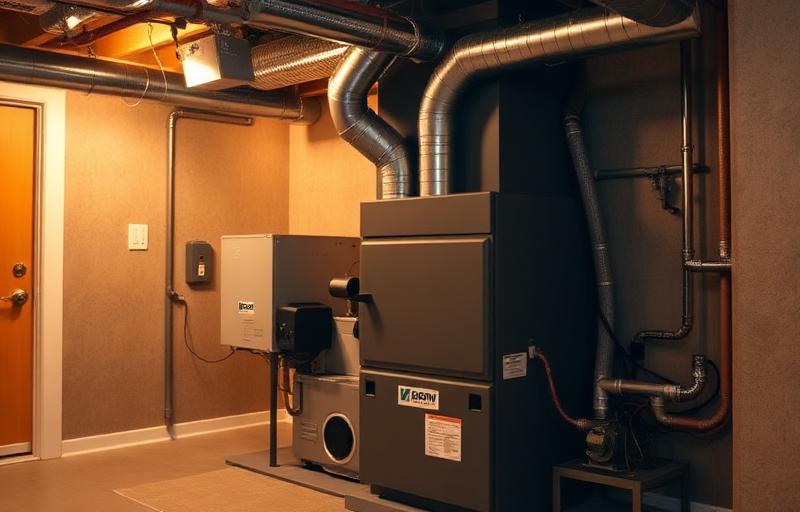
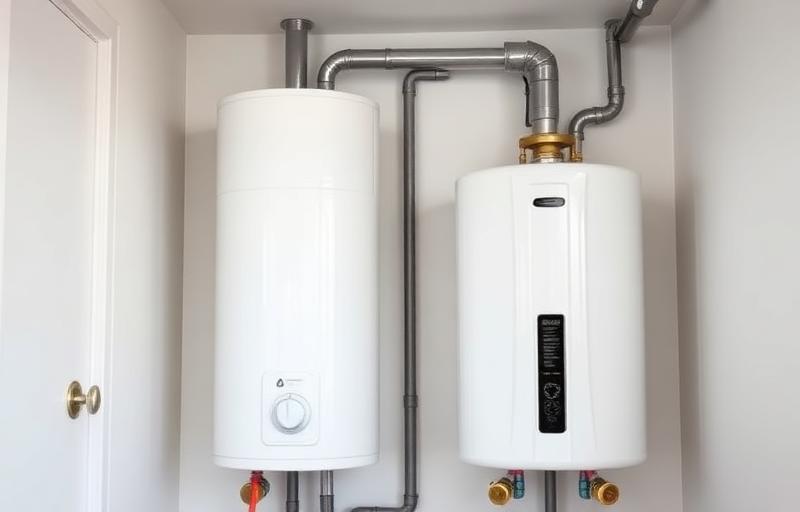
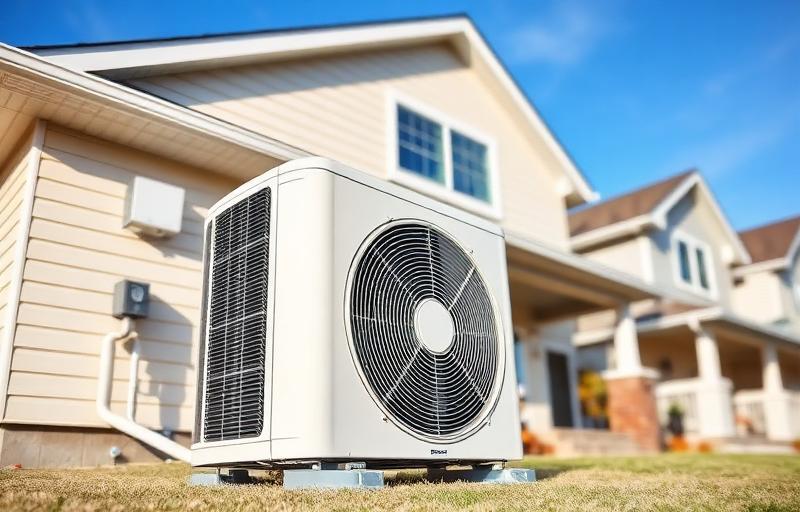
An HVAC system will become an essential part of our homes' comfort as winter draws near. Unfortunately, people often overlook the HVAC overheating signs which results in bigger and expensive problems down-the-line. An overheating HVAC system poses a serious risk to a home's health and safety whether being used as a garage heater or a home's heating system.
Warning Signs Of An Overheating HVAC System
There are clear HVAC warning indicators that homeowners can quickly identify when an HVAC system overheats:
- A low buzzing sound that is unusual for your HVAC system
- An enduring smoldering scent that is significantly more persistent than "burning off summer dust"
- A device that periodically clicks off before finishing its cycle
Warning Signs of Carbon Monoxide from Your HVAC System
It is necessary to acknowledge the seriousness of carbon monoxide. When turning on their HVAC system for the first time since spring, many homeowners will detect a slight burning smell that lasts for about half an hour and is caused by dust burning off. It is a warning sign that your HVAC system is dangerously overheated if the odor persists after the first thirty minutes.
The heat exchanger may sustain stress fractures as a result of your HVAC overheating to extreme levels. The gas will seep into your house when it fractures. Carbon monoxide is a colorless, odorless gas that causes an average of 400 fatalities each year from unintentional poisoning.
It is strongly advised that you install a carbon monoxide detector in your house. Turn off your HVAC system, open your windows and doors, and contact a maintenance expert right away if the burning smell persists.
Reasons behind Overheating of HVAC
Clogged Filters
Your HVAC unit may be overheating because of a blocked air filter. The unit works harder to force air through clogged air filters because they obstruct proper airflow. Change your filter on a regular basis to prevent this issue.
Internal Components Are Building Up
Dust, filth, and debris remain inside the system and cover internal components. The filth hinders the internal components from functioning normally, such as the heat exchanger no longer transporting heat and the blower motor being unable to offer ventilation.
Short Cycling Occurs Frequently
Does the HVAC system seem to turn on and then turn off before the house reaches the desired temperature? This is known as short cycling, and it puts undue stress on the unit since it switches on and off too frequently without fully completing the cycle period.
Short cycling can occur for a number of causes, but the most frequent one is the unit overheating. Another possible cause is a malfunctioning thermostat or a heater unit that is too big for the residence.
Your Furnace Nearing Its End
The most troublesome of all is the HVAC furnace. When parts of an HVAC system begin to malfunction, the other parts must work harder to compensate for the extra strain. Recall that replacing a single malfunctioning part beforehand is much simpler and less expensive than doing the entire furnace replacement.
The Conclusion
If the air cooling and heating system in a residence is given extra care, any of the above-mentioned causes can be avoided or eliminated. Air Force Heating and Air Conditioning is a leading HVAC company in Calgary specializing in garage heaters, air conditioner repair, furnace repair, aircon installation, and more. Contact us today to discuss your HVAC-related needs.
FAQs
How frequently should I get my HVAC system serviced?
It's a good idea to get your HVAC system serviced twice a year, in the spring and the fall.
Name some common issues with heating systems.
Lack of warmth, strange noises, and uneven heating are common problems. These issues might be brought on by worn-out parts, unclean filters, or malfunctioning thermostats.
What to do if my HVAC system doesn't work properly?
Check the thermostat settings and make sure the system is powered on. If you're still facing trouble, consult the repair experts.

Owner, Air Force Heating
Ivan Gouniavyi is the owner of Air Force Heating, one of Calgary's most trusted HVAC companies with over 240 five-star Google reviews. With extensive experience servicing Calgary's unique climate demands, Ivan and his team specialize in furnace repair, AC installation, hot water tanks, and complete heating solutions for homes across southeast Calgary and surrounding communities.